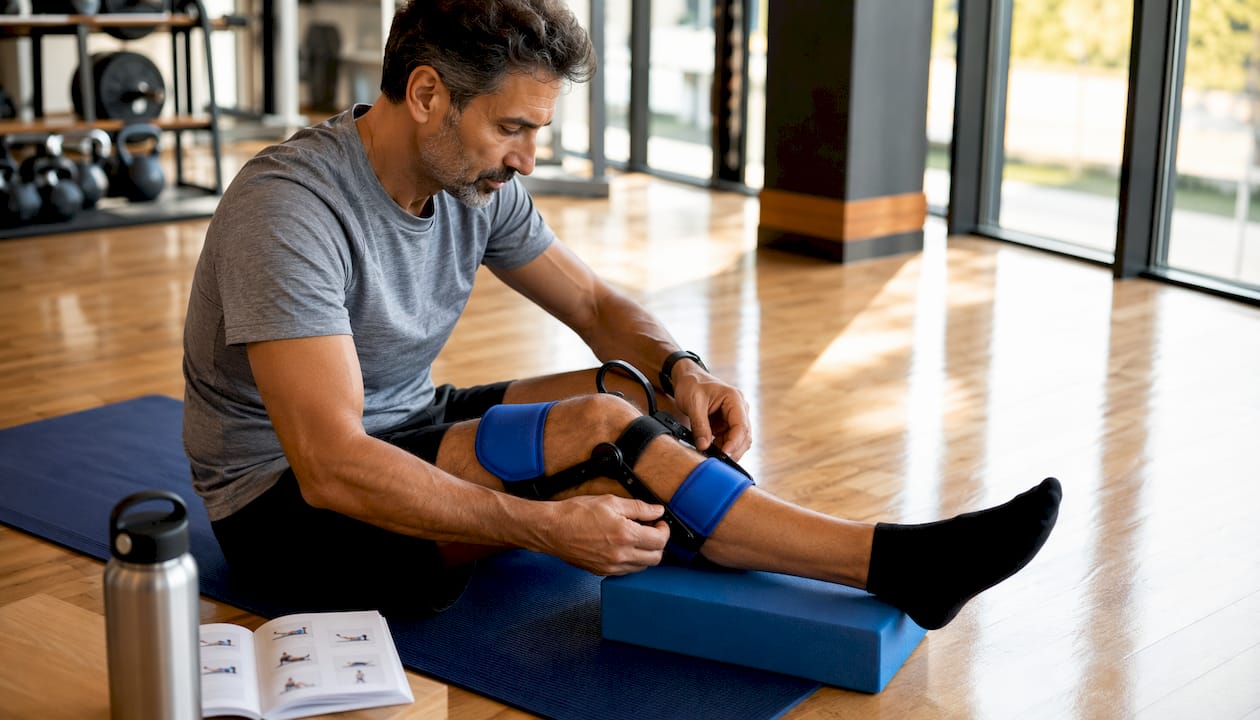
Best Stak Knee Stretcher Alternatives for Knee Pain Relief

What are the top alternatives to the Stak Knee Stretcher?
If you’re looking for stakkneestretcher.com alternatives, the strongest options are purpose-built mechanical stretching devices that apply controlled, graduated force to restore knee range of motion. Here are the leading choices available in the US:
- IdealStretch: A steel-frame device that maintains hip alignment during stretching, targeting hamstrings, calves, knees, groin, and hips simultaneously. Designed for all ages and activity levels, from post-surgical patients to athletes.
- IdealKnee: The extension-focused sibling of the IdealStretch, priced at $124.95 and FSA/HSA eligible. Endorsed by physical therapists and orthopedic doctors, it targets knee contractures after ACL, MCL, full replacement, and meniscus repair surgeries.
- GoKnee Bundle: A post-surgical recovery kit designed so that patient-controlled intensity mimics therapist-applied pressure, making it well-suited for home rehabilitation after knee replacement.
- Slant boards (StrongTek, SquatWedgiez): Angled platforms that load the knee joint through controlled bodyweight, useful for building quad strength and improving flexion range alongside dedicated stretching work.
- Stretch straps (CanDo, Stretch-Out Strap): Lightweight, portable options for guided passive stretching of the hamstrings and calves when a rigid frame device is not practical.
Each of these addresses a slightly different phase or goal of knee recovery, so the right pick depends on where you are in your rehabilitation.
How to use knee stretchers safely for real therapeutic results
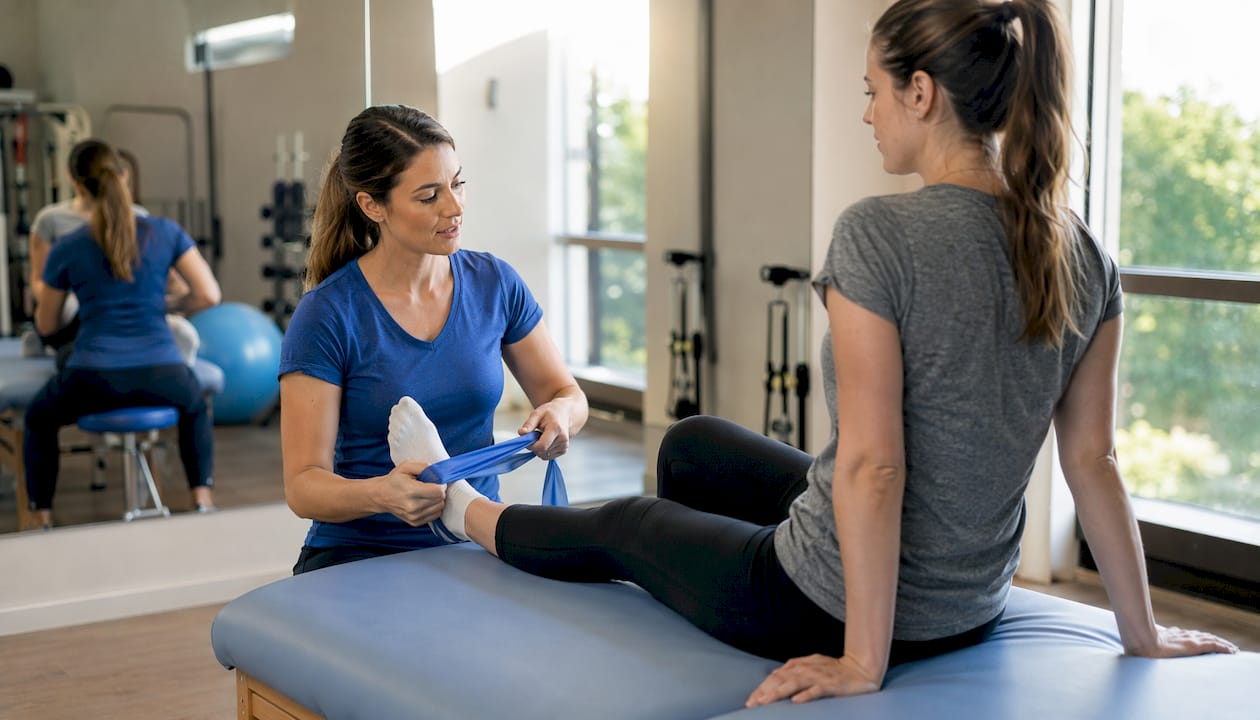
The single biggest mistake people make with mechanical knee stretchers is pushing too hard, too fast. Structured progression over weeks is what safely breaks down scar tissue without causing new trauma. Rushing that process can set recovery back significantly.
Safe usage guidelines:
- Start at the lowest resistance or angle your device allows and increase only when you can hold a position comfortably for the full recommended duration.
- Follow the instructional content that comes with your device. Positioning errors shift strain onto the wrong structures.
- Limit sessions to the manufacturer’s recommended frequency, typically once or twice daily, not more.
- Stop immediately if you feel sharp or shooting pain. Mild discomfort from a sustained stretch is normal; acute pain is not.
Contraindications to know before you start:
- Active infection or open wound near the knee
- Uncontrolled swelling or acute inflammation
- Deep vein thrombosis (DVT) or suspected blood clot
- Unstable fracture or hardware complications post-surgery
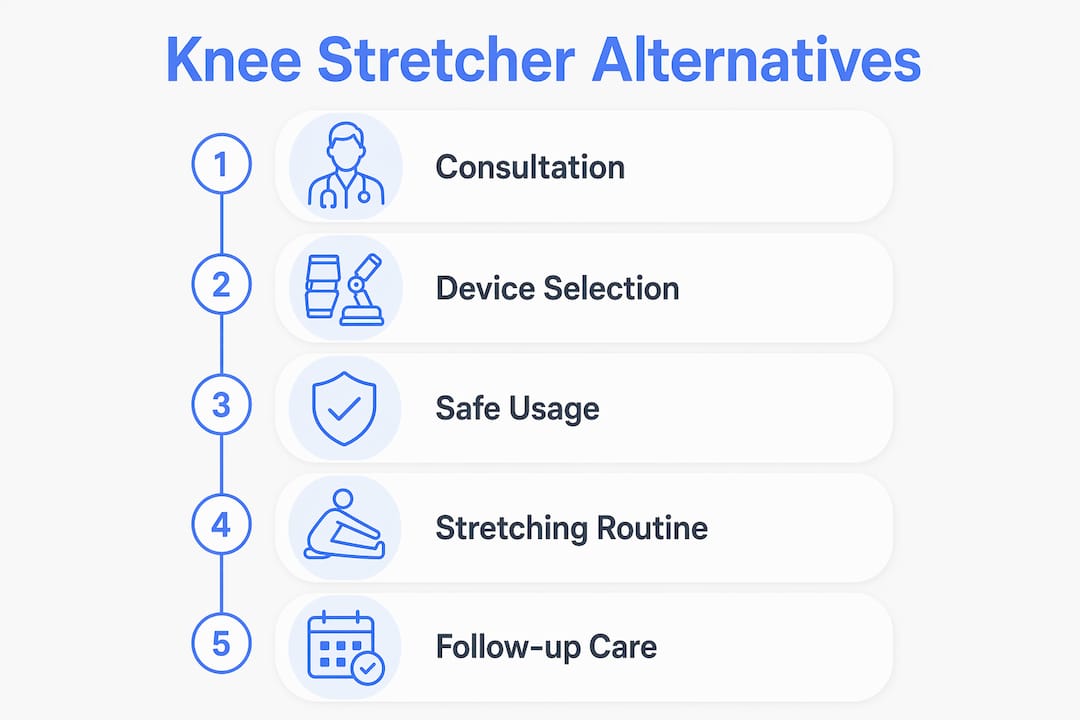
Consult your orthopedic surgeon or physical therapist before beginning any mechanical stretching program, especially within the first weeks after surgery. Matching mobility aids to your condition is not guesswork; a clinician can confirm the right device and intensity for your specific diagnosis.
Pro Tip: Combine your stretching sessions with ice application immediately afterward to manage inflammation and allow you to push slightly further in the next session without increasing soreness.
Why strength and balance training must go alongside stretching
Stretching alone will not keep your knee stable long-term. Clinicians consistently recommend transitioning from high-intensity stretching to strength and balance work as range of motion improves, because muscle imbalances are a primary driver of poor long-term outcomes.
The key muscle groups to target:
- Quadriceps: Straight-leg raises, terminal knee extensions, and wall sits rebuild the quad strength that controls knee tracking.
- Hip abductors and glutes: Clamshells and side-lying leg raises address the hip weakness that often underlies knee pain, particularly in runner’s knee and post-replacement instability.
- Calves and hamstrings: Eccentric heel drops and hamstring curls protect the posterior chain that the IdealStretch and similar devices stretch.
- Balance and proprioception: Single-leg stands, balance board work, and plyometrics (introduced gradually) retrain the neuromuscular control that surgery or injury disrupts.
Skipping this phase is the reason many patients regain range of motion but still feel unstable or painful during daily activity. For a structured plan, the knee replacement exercises guide from Theratravel covers both the stretching and strengthening phases in sequence.
When advanced treatment abroad makes more sense than a device
Some knee conditions, including severe contractures, failed prior surgeries, or advanced arthritis, will not respond adequately to any at-home stretching device. For those situations, the question shifts from which device to which procedure.
Theratravel connects patients with high-quality orthopedic care abroad, with packages that include personalized treatment planning, travel logistics, and aftercare. The focus is on patients who need more than a mechanical device can offer but face long wait times or prohibitive costs at home.
What patients say about knee stretcher alternatives
Patient feedback on devices like the IdealStretch and IdealKnee consistently highlights two themes: ease of independent use and the importance of following the included instructions carefully. People recovering from knee replacement report that the ability to control their own stretching intensity at home, between physical therapy appointments, accelerates their progress noticeably. Those who skip the instructional guidance tend to report less consistent results. For post-operative recovery context, matching the device to the specific surgical procedure matters more than most people expect.
How to choose the right knee stretcher for your condition
The right device depends on three factors: your diagnosis, your recovery phase, and your physical setup at home.
| Condition | Best-fit device type | Key consideration |
|---|---|---|
| Post-knee replacement (early) | GoKnee Bundle, IdealKnee | Patient-controlled force; FSA/HSA eligible |
| Hamstring and calf tightness | IdealStretch | Full lower-body alignment support |
| Quad weakness with limited flexion | Slant board | Load-bearing, not passive stretching |
| General stiffness, portable use | Stretch strap | Lightweight; needs correct technique |
If you are within the first 12 weeks of surgery, get your surgeon’s clearance before using any device. Beyond that window, the IdealKnee and GoKnee Bundle are the most clinically aligned options for restoring extension. The IdealStretch suits people managing chronic tightness or maintaining mobility between flare-ups.
Theratravel: when you need more than a stretching device
At-home knee stretchers work well for the right conditions. When the diagnosis calls for surgery, and the wait at home stretches into months, a different approach is worth considering.

Theratravel offers all-inclusive orthopedic packages abroad, up to 60% cheaper than comparable UK costs, with no long waiting lists. Procedures including endoscopic spine surgery abroad and laminectomy surgery abroad are available through vetted hospitals with English-speaking care teams. Every package covers treatment planning, travel, and aftercare in one coordinated process. If conservative options have run their course, Theratravel is a practical next step.
Key Takeaways
The most effective approach to knee stretcher alternatives combines the right mechanical device with professional guidance and targeted strength training for lasting results.
| Point | Details |
|---|---|
| Top device options | IdealStretch, IdealKnee, and GoKnee Bundle are the strongest US-available alternatives. |
| Cost and eligibility | The IdealKnee is priced at $124.95 and is FSA/HSA eligible, reducing out-of-pocket cost. |
| Safe progression | Structured week-by-week intensity increases prevent scar tissue trauma during recovery. |
| Strength training matters | Quad, glute, and balance work must follow stretching to prevent long-term instability. |
| Theratravel option | For surgical needs, Theratravel provides affordable orthopedic care abroad with all-inclusive packages. |
Recommended
Related posts

Veneers Abroad: 2026 Cost Guide (and What to Watch For)

Is It Safe to Get Dental Implants Abroad? An Honest 2026 Guide