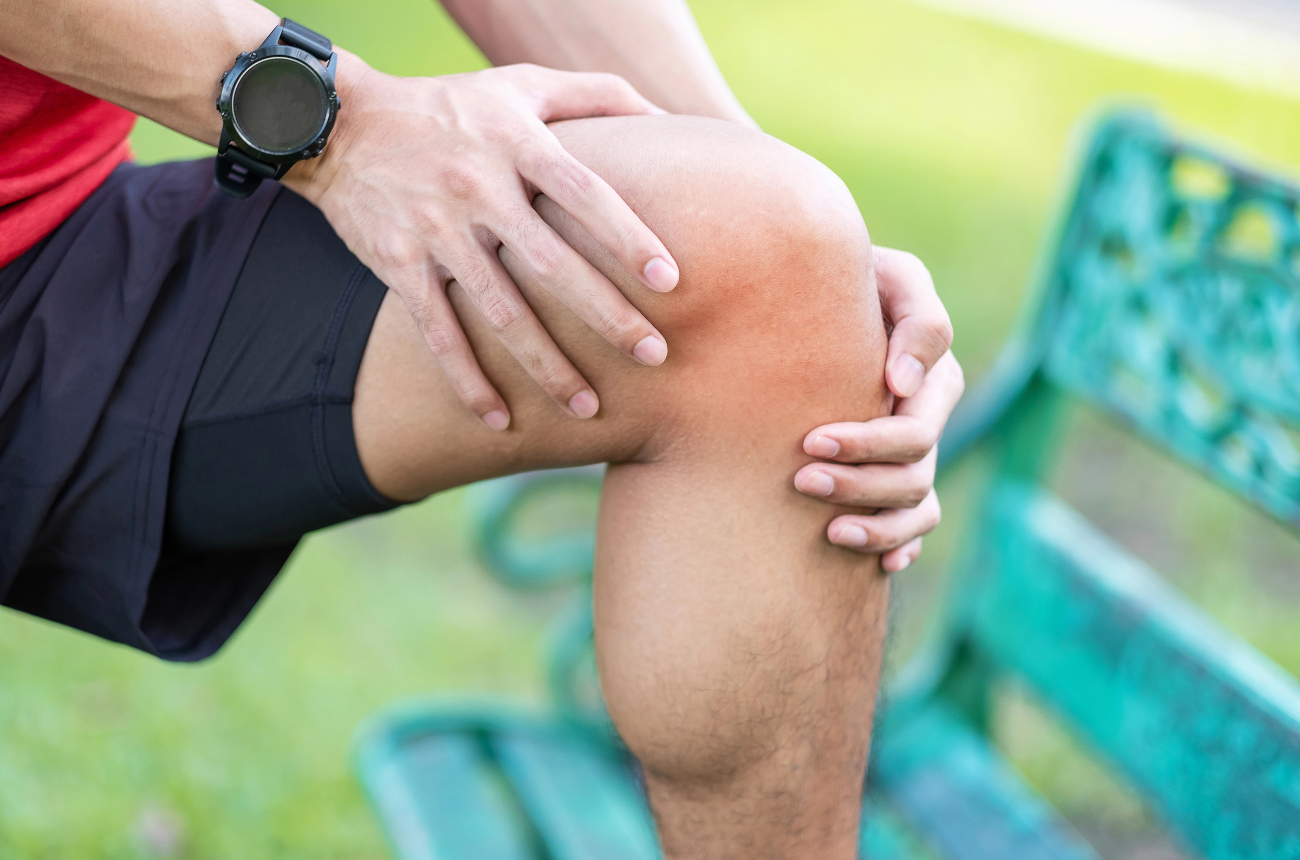
Seven Essential Tips for Managing Joint Pain in Winter

As temperatures drop, many people notice their joint pain flaring up. If you've been experiencing increased stiffness, aching, or discomfort in your knees, hips, or other joints this season, you're not alone. The good news is that there are several effective strategies to help you stay comfortable and active all winter long.
Why Does Cold Weather Affect Joints?
While research is still ongoing, cold weather may affect joints in several ways. Lower temperatures can cause joint fluid to thicken, making joints stiffer. Barometric pressure changes may cause tissues to expand, putting pressure on joints. Additionally, cold weather often leads to reduced physical activity, which can worsen joint stiffness.
7 Essential Tips for Winter Joint Care
- Stay Warm and Layer Up: Dress in layers and pay special attention to keeping your joints warm. Consider wearing thermal clothing, gloves, and knee warmers when heading outside. Even indoors, keep your home at a comfortable temperature.
- Keep Moving: Regular, gentle exercise is crucial for joint health. Activities like swimming in heated pools, yoga, tai chi, or even indoor walking can help maintain flexibility and reduce stiffness. Aim for at least 30 minutes of moderate activity most days of the week.
- Apply Heat Therapy: Warm baths, heating pads, or warm compresses can provide significant relief. Heat increases blood flow to joints and helps relax surrounding muscles. Try a warm shower in the morning to ease morning stiffness.
- Stay Hydrated: Dehydration can worsen joint pain. Even though you might not feel as thirsty in winter, make sure you're drinking plenty of water throughout the day to keep joints well-lubricated.
- Maintain a Healthy Weight: Extra pounds put additional stress on weight-bearing joints. Winter is a great time to focus on nutritious, anti-inflammatory foods like fatty fish, leafy greens, nuts, and berries.
- Consider Supplements: Talk to your healthcare provider about supplements like omega-3 fatty acids, vitamin D, or glucosamine, which may support joint health during winter months.
- Don't Skip Stretching: Gentle stretching exercises can help maintain range of motion and reduce stiffness. Make it a daily habit, especially in the morning and before any physical activity.
Tired of Waiting for Treatment?
If conservative management isn't providing adequate relief and you're facing extended NHS waiting times for orthopaedic consultation or treatment, you don't have to endure another winter in pain.
Thera Travel specialises in connecting UK patients with accredited orthopaedic specialists across Europe—offering the same procedures you'd receive privately in the UK at 50-70% lower costs, with typical wait times of 2-4 weeks instead of 12-18 months.
From diagnostic imaging and specialist consultations to joint replacement surgery and post-operative physiotherapy, we coordinate your entire care pathway with full transparency on costs, qualifications, and outcomes. Every clinic in our network is rigorously vetted for safety standards, and we provide dedicated support throughout your journey—from initial consultation through recovery.
Don't let another season pass in discomfort. Reply to this email for a free, no-obligation consultation to discuss your specific condition and explore your treatment options. Our patient care coordinators are ready to answer your questions and provide transparent pricing tailored to your needs.
Stay warm and take care
Related posts

Benefits of Coordinated Travel and Surgery Packages

Why Families Research Healthcare Abroad in 2026