
Dental Implants Abroad: The Complete 2026 Cost & Planning Guide

Dental implants abroad cost £400–£1,100 per tooth in 2026, against £1,800–£3,500 at a private UK practice. This guide compares real prices in Turkey, Hungary, Poland, Croatia and Spain, explains how treatment abroad actually works, and shows you how to do it safely.
Why so many UK patients are going abroad for implants
Private dental costs in the UK have kept climbing while NHS dentistry has become harder to access. A single implant with abutment and crown averages around £2,500 privately in the UK — and quotes at the lower end often exclude the crown, bone grafting or sinus lift work you may also need. Replace several teeth, or a full arch, and the bill runs into five figures.
The same treatment, using the same implant brands (Straumann, Nobel Biocare, AlphaBio, Dentium, Osstem), is available in EU-regulated clinics across Central Europe — and in Turkey — at 40–85% less. That price gap is driven by lower labour and property costs and higher patient volumes, not by lower-grade materials.
That doesn't make going abroad automatically the right choice. It adds travel, splits your treatment across two visits, and puts aftercare further away. The rest of this guide — and the destination guides linked below — lays out both sides honestly. For the risks specifically, start with our guide to whether dental implants abroad are safe.
What dental implants cost abroad in 2026
Typical 2026 prices for a single implant including abutment and crown:
| Country | Single implant (incl. crown) | Typical saving vs UK |
|---|---|---|
| UK (private) | £1,800–£3,500 | — |
| Turkey | £400–£1,100 | 60–85% |
| Hungary | ~£800–£1,150 | 55–70% |
| Poland | £400–£1,300 | 40–60% |
| Croatia | from ~£570 | up to 70% |
| Spain | ~£1,050–£1,750 | 30–50% |
For bigger treatment plans the absolute savings grow sharply. An All-on-4 arch that costs £9,000–£15,000 in the UK runs £3,000–£6,000 in Turkey and around £3,900–£6,500 in Hungary — see the full All-on-4 abroad cost comparison and our full-mouth implants abroad guide.
For a line-by-line breakdown of every country against every procedure, use the UK vs abroad price comparison.
Choosing a destination
Each of the main destinations suits a different kind of patient:
- Turkey — the lowest headline prices and all-inclusive packages (hotel and transfers included). Biggest market, widest quality range, so clinic vetting matters most here. Turkey cost guide →
- Hungary — Budapest is Europe's longest-established dental tourism destination for UK patients, with EU regulation and decades of UK patient flow. Hungary cost guide →
- Poland — EU standards, £30–£80 flights from most UK airports, and strong value for single implants and smaller plans. Poland cost guide →
- Croatia and Spain — Croatia pairs strong prices with an Adriatic setting; Spain trades some of the saving for easy flights and familiar infrastructure. Croatia & Spain cost guide →
Considering veneers or crowns instead of (or alongside) implants? See the veneers abroad cost guide and the crowns and bridges abroad guide.
How treatment abroad actually works
Implant treatment is almost always two trips, not one:
- Trip 1 (3–5 days): consultation, scans, extractions if needed, implant placement, temporary teeth fitted.
- Healing at home (3–6 months): the implant fuses with the bone (osseointegration).
- Trip 2 (4–7 days): final crowns or bridge fitted and adjusted.
Clinics advertising permanent "teeth in a day" are describing immediate-load treatment that only suits some cases — your dentist should assess bone quality before promising it. Be cautious of anyone selling a one-trip outcome before they've seen your scans.
A realistic total budget includes:
- The clinic's quoted treatment price (get it itemised, in writing)
- Two return flights per person
- Accommodation for both trips (unless packaged)
- A contingency of around 10–15% for extras such as bone grafts
- A UK check-up before you fly, and a plan for follow-up when you're back
Even with all of that included, a multi-implant or full-arch plan abroad typically costs less than half the UK equivalent.
How to do it safely
The savings are real, but so are the risks when patients pick clinics on price alone. A British Dental Association survey found 86% of UK dentists had treated complications from dental work done abroad. Nearly all of that risk is avoidable with the checks covered in our safety guide:
- Choose EU-regulated or internationally accredited clinics with verifiable dentist credentials
- Insist on a named implant brand and an implant passport/warranty card
- Get a written, itemised treatment plan before you commit to anything
- Ask for copies of all records, scans and X-rays before you leave the clinic
- Arrange UK follow-up before you travel, not after something feels wrong
Ready to compare real prices for your case? Get your free, no-obligation quotes from vetted clinics →
Frequently Asked Questions
How much do dental implants cost abroad compared to the UK?
In 2026, a single implant including the crown typically costs £400–£1,100 in Turkey, around £800–£1,150 in Hungary and £400–£1,300 in Poland, compared with £1,800–£3,500 privately in the UK. Full-arch treatments show even bigger gaps — All-on-4 abroad is commonly £3,000–£6,500 per arch versus £9,000–£15,000 at home.
Which country is best for dental implants?
There's no single answer. Turkey has the lowest prices and all-inclusive packages, Hungary has the longest track record with UK patients and EU regulation, Poland offers EU standards with the cheapest flights, and Croatia and Spain suit patients who want a holiday setting or maximum familiarity. Our destination guides compare each in detail.
Is it safe to get dental implants abroad?
It can be, if you choose a properly regulated clinic and plan aftercare — but complications from poorly chosen clinics are real and UK dentists see them regularly. Read our honest guide to the risks and how to avoid them before booking anything.
How many trips will I need?
Usually two: one for implant placement and one 3–6 months later for the final crowns or bridge. Single-trip "immediate load" treatment exists but only suits certain cases, which a dentist must assess from your scans.
Do the clinics abroad use the same implants as UK dentists?
Reputable clinics abroad place the same major implant systems used in the UK — Straumann, Nobel Biocare, AlphaBio, Dentium and Osstem among them. Always ask for the brand in writing and an implant passport so any dentist can identify your implant later.
What happens if something goes wrong when I'm back in the UK?
The NHS will usually only offer emergency care such as pain relief or extraction; corrective work is normally private. This is why vetting the clinic, getting a warranty in writing and arranging UK follow-up before you travel matter more than saving the last £100.
Related posts
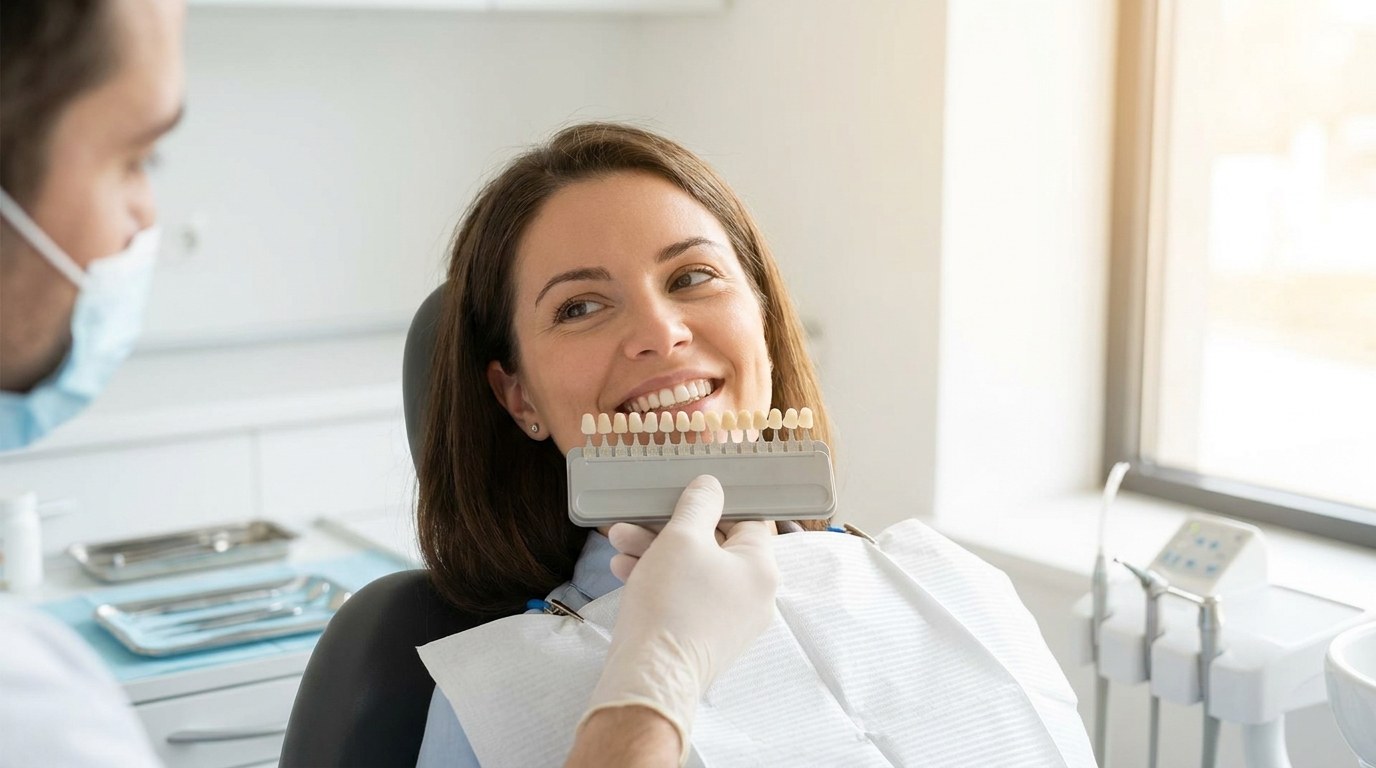
Veneers Abroad: 2026 Cost Guide (and What to Watch For)

Is It Safe to Get Dental Implants Abroad? An Honest 2026 Guide